
Swarming Season Survival Guide: Protecting Your Charleston Home from Termites
For homeowners in Charleston, the sight of these winged invaders isn't just a nuisance; it's a critical reminder to protect your most valuable asset.

As the azaleas burst into bloom and the sweet tea flows, another, less welcome annual event takes flight in the Lowcountry: termite swarming season. For homeowners in Charleston, the sight of these winged invaders isn't just a nuisance; it's a critical reminder to protect your most valuable asset.
Why Charleston is a Termite Hotspot
Our beloved historic city, with its charming architecture and lush landscapes, also happens to be a paradise for termites. Specifically, the highly destructive Formosan termite thrives in our warm, humid climate.
The combination of our long, mild springs, abundant moisture, and historic wood structures makes Charleston a prime target. When temperatures consistently hit the 70s after a good rain, that's their cue to swarm.
Swarming is how new termite colonies are born. Mature colonies send out thousands of winged reproductives, called alates, to find mates and establish new homes. While seeing them outside is common, finding them inside your home is a major red flag, indicating an established colony nearby.
Spotting the Signs: Not Just Flying Ants

Often mistaken for flying ants, termite swarmers have key differences:
- Wings: Termites have two pairs of equally sized wings; ants have unequal pairs.
- Antennae: Termite antennae are straight; ant antennae are elbowed.
- Waist: Termites have broad waists; ants have pinched waists.
Beyond swarmers, look for these tell-tale signs:
- Mud Tubes: Pencil-sized tunnels termites build on foundations, walls, or floor joists to travel between their nest and your home.
- Discarded Wings: Often found near windowsills, light fixtures, or in spiderwebs after a swarm.
- Damaged Wood: Sagging floors, hollow-sounding wood, or tiny holes.
Your Charleston Termite Prevention Checklist:
- Mind Your Lights: Termites are drawn to light. During peak swarming season (typically May and June), dim or turn off exterior lights at night, especially near entry points.
- Manage Moisture: Termites need water to survive.
- Ensure gutters and downspouts direct water away from your foundation.
- Fix leaky pipes, faucets, and AC units promptly.
- Ensure proper ventilation in crawl spaces to reduce humidity.
- Clear the Perimeter:
- Keep mulch, firewood, and lumber away from your foundation.
- Trim shrubs and trees so they don't touch your house, creating hidden pathways.
- Remove any wood-to-soil contact around your home.
- Seal Entry Points: Seal cracks in your foundation and around utility pipes to block access points.
- Professional Inspection & Termite Service Agreement: This is crucial in Charleston.
- Schedule an annual inspection with a reputable local pest control company.
- Ensure your termite service agreement specifically covers Formosan termites and includes a repair warranty if possible, not just re-treatment. A transferable service agreement can be a significant asset when selling your home.
Don't Delay: The Cost of Neglect
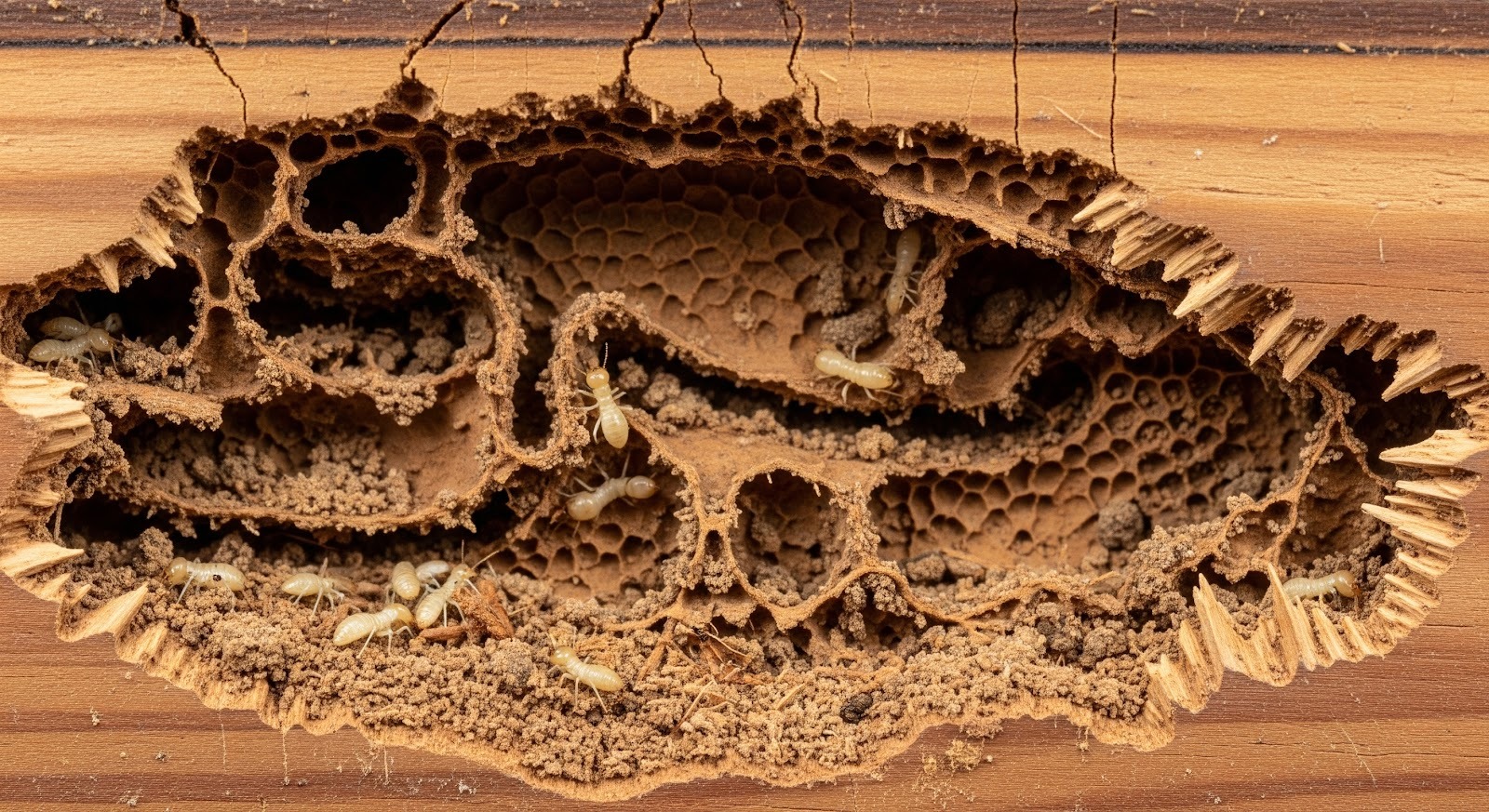
Ignoring termites can lead to extensive and costly structural damage, often not covered by homeowner's insurance. Early detection and prevention are your best defense. If you suspect termite activity, contact a local professional immediately.
By staying vigilant and taking proactive steps, you can help ensure your beautiful Charleston home remains a sanctuary for your family, not for termites.
Photo Gallery
