Who Pays the Buyer's Agent in Charleston Now?

In Charleston today, your buyer's agent is paid under a written agreement between you and the agent's brokerage firm, and the money can come from the seller, you, or both. Sellers often still agree to cover some or all of the fee, but that contribution is now negotiated deal by deal rather than assumed. So the answer to “who pays the buyer's agent” is whatever you agree to up front and then negotiate in your offer.
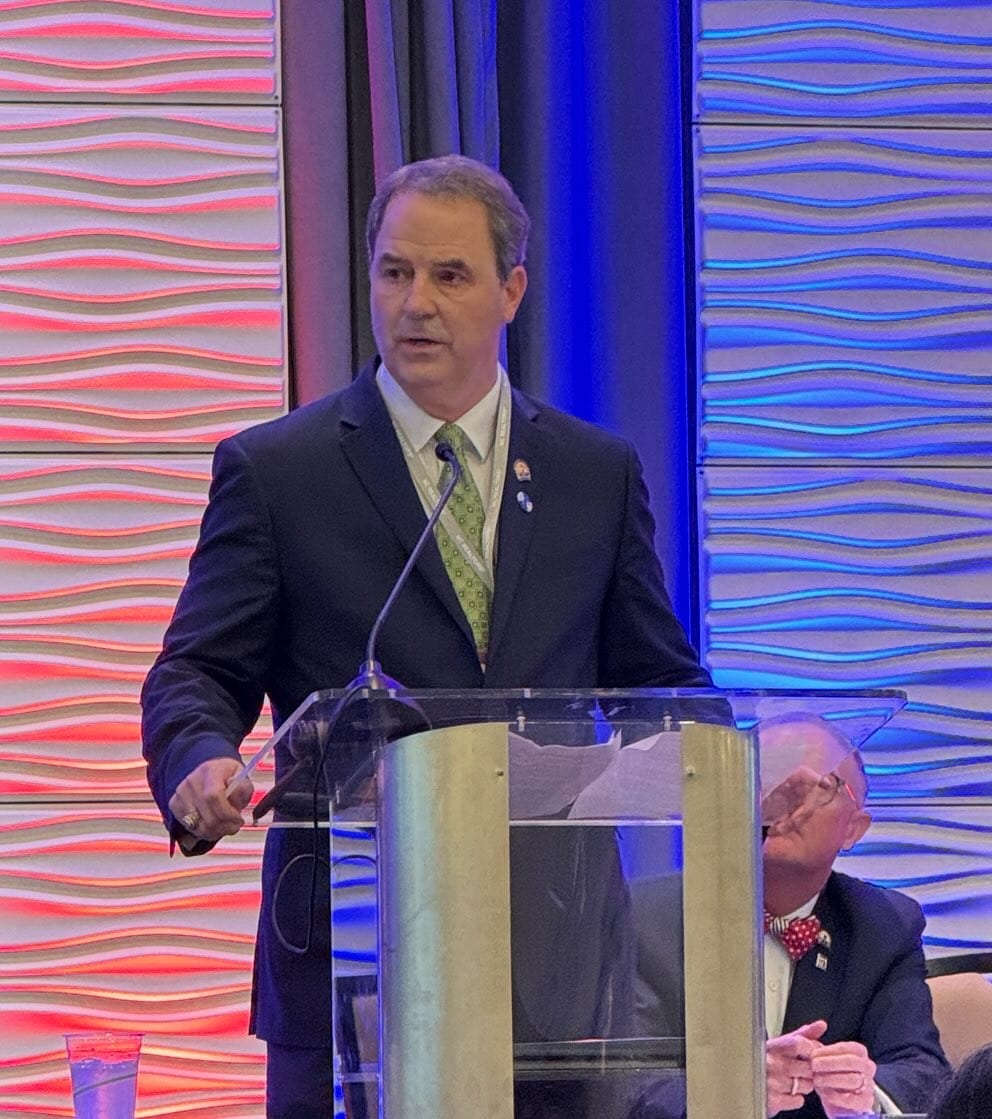
David Kent speaking to a group of Realtors from South Carolina, Tennessee, Kentucky, and North Carolina
How buyer-agent compensation works today, and what changed in 2024
For decades, the arrangement ran mostly out of the buyer's sight. A seller agreed to a commission with the listing brokerage, the listing brokerage offered a share of it to whichever brokerage brought the buyer, and that offer was published in the multiple listing service (MLS), the shared database agents use to market homes. Most buyers never discussed the number.
In 2024, following a national settlement involving the National Association of Realtors and updates to South Carolina's real estate disclosure rules, industry practices changed. In broad terms, two things are different:
Compensation offers no longer appear in the MLS. A seller can still choose to contribute toward the buyer's agent fee, but they communicate and negotiate that outside the listing database.
Paperwork comes earlier—before you tour homes. In South Carolina, a licensee must give you a meaningful explanation of brokerage relationships at the first practical opportunity upon substantive contact, and before showing you any property. Under the revised South Carolina Disclosure of Real Estate Brokerage Relationship form (updated December 2024), you can initially tour homes as an unrepresented "customer" without paying a fee or signing a representation contract, or you can sign a written buyer agency agreement to become a "client". However, if you work with a Realtor who participates in the MLS, expect to sign a written buyer agreement spelling out what the agent will be paid before you tour homes together.
Sellers are still free to pay, and fees were negotiable before the changes too. What is new is that the buyer's agent commission is now a conversation you take part in, rather than a line item settled before you arrived.
Typical fee ranges and what is negotiable
Under South Carolina law, commissions are fully negotiable and not set by law. Each brokerage sets its own rates, and you can negotiate the terms before signing. Fees are usually structured in one of three ways:
A percentage of the purchase price, which is the most familiar model.
A flat fee, agreed in advance regardless of price.
A hybrid, such as a base amount plus a percentage, or a rate that changes by property type.
The amount is only one term you can discuss. Others include how the fee is calculated, how long the agreement lasts, which areas and property types it covers, and what services are included. Compare what you would actually receive for the fee. In a coastal market, that often means help reading flood zone maps, estimating insurance costs before you make an offer, and knowing which inspections matter for a raised home on James Island versus a slab foundation in Summerville.
What happens when a seller will not contribute
A common question is whether a seller can refuse to pay the buyer's agent. Yes; a seller is not obligated to contribute. If that happens, you generally have these options:
Ask anyway, in your offer. You can include a seller contribution as a term in your offer, alongside price, closing date, and repairs. A seller who advertised nothing may still agree if the overall offer works.
Adjust the rest of the offer. Price and contribution are connected. What matters to the seller is the net proceeds, and what matters to you is total cost, so there is often more than one way to reach the same result.
Pay the difference yourself at closing. If your agreement makes you responsible for any shortfall, that amount becomes part of your cash to close. Ask your lender early how they treat it.
Revisit the terms with your agent. You can amend your agreement if both sides consent.
Move on. If the numbers don't work, you can pass on that home.
In a multiple-offer situation, such as a well-priced home in Mount Pleasant's Old Village or on Sullivan's Island, asking the seller to contribute can affect how your offer compares with others. Decide your approach before you face a deadline.
How this is written into your buyer agreement
In South Carolina, your legal relationship is with the real estate brokerage firm (run by a broker-in-charge), not the individual associate licensee. Before you become a client, South Carolina law requires the licensee to provide you with the South Carolina Disclosure of Real Estate Brokerage Relationship form and explain the service levels available to you:
Customer vs. Client: Until you sign a written representation agreement, you are a "customer"—the brokerage owes you basic duties like honesty, accounting for funds, and disclosing known material adverse facts, but it cannot advocate for you or advise you on price and terms. Signing a written buyer agency agreement makes you a "client," entitling you to loyalty, obedience, full confidentiality, and negotiation counsel.
Single, Dual, or Designated Agency: Your agreement will ask how you want to handle situations where the same brokerage firm represents both you and the seller. In single agency, the firm represents only you. In disclosed dual agency, the firm represents both sides with limited duties and cannot advocate for one over the other or share confidential pricing/motivation details. In designated agency, the broker-in-charge assigns separate licensees within the firm to advocate solely for each client.
The buyer agency agreement itself is where compensation becomes concrete. Read it the way you would read a purchase contract, and look for these points:
The fee itself. It should state the exact amount or rate clearly and specifically—under South Carolina rules, a brokerage cannot collect compensation from any source that exceeds the amount or rate agreed to in your written agreement without full knowledge and written consent from all parties.
Who is expected to pay. Check whether the agreement says the agent will first seek payment from the seller, and what you owe if the seller pays less or nothing.
What happens if a seller offers more. Ask how any excess is handled, noting that South Carolina rules cap the brokerage's compensation at your agreed rate unless all parties consent in writing.
Term and scope. Note how long the agreement lasts, which geographic area it covers, and whether you are committing to work only with that brokerage during the term.
How to end it. Find out what happens if the relationship isn't working, and whether any obligation continues for homes you already saw.
If any clause is unclear, ask before you sign. For legal questions about a contract, a South Carolina real estate attorney is the right resource.
Charleston examples: resale vs. new construction
These two scenarios illustrate how the mechanics differ, not predictions.
A resale home in West Ashley. Your agent asks the listing agent whether the seller is offering a contribution. If so, your offer reflects it. If not, you decide whether to request one, adjust your price, or cover the fee yourself under your agreement. Each seller makes an individual choice, so two similar homes on the same street can come with different answers.
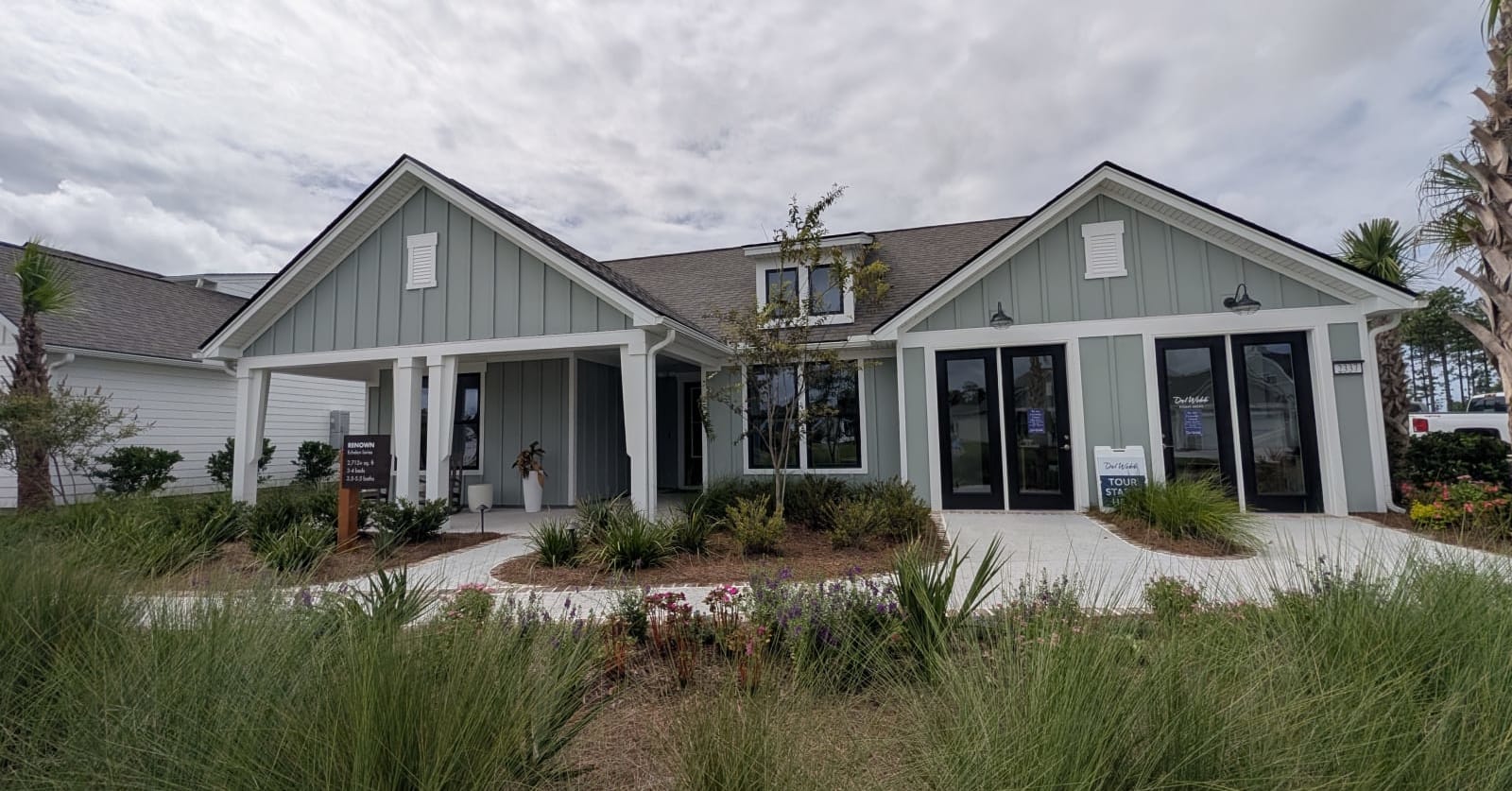
A new-construction home in Summerville or on Johns Island. Builders set their own policies. Some pay a set amount to buyer's agents, which may or may not match the fee in your agreement. Many also require your agent to be registered with the sales office on your first visit. If you stop by a model home alone on a Sunday afternoon, you may complicate your agent's ability to be paid by the builder. Ask about the builder's policy before you tour, and weigh it alongside incentives tied to the builder's preferred lender.
These practices are still settling, and local customs will keep evolving. The most useful step is to have the compensation conversation at the start of your search, before you find a home you want.
Questions people ask
Who pays the buyer's agent in Charleston? It depends on your buyer agency agreement and your purchase negotiation. The seller may pay all, part, or none of the fee, and you are responsible for whatever your agreement says remains.
Can a seller refuse to pay the buyer's agent? Yes, a seller can decline to contribute. You can still request a contribution in your offer, adjust your price, pay the fee yourself, or choose a different home.
Are buyer's agent fees negotiable? Yes, under South Carolina law, commissions are fully negotiable and not set by any standard rate. You can discuss the amount, structure, agreement length, and services included before you sign.
Do I have to sign an agreement before touring homes with an agent? Under South Carolina Real Estate Commission rules (updated December 2024), an agent must provide you with, and have you acknowledge, the Disclosure of Real Estate Brokerage Relationship form before showing you any property. Signing that disclosure alone does not obligate you to pay a commission—it simply establishes you as an unrepresented "customer" for a free showing. However, if you want client-level representation (or are touring with an MLS-participating Realtor), you will be asked to sign a written buyer agency agreement specifying compensation before touring.
Is the buyer's agent commission paid out of pocket? Only the portion the seller does not cover would come from you. That amount is typically settled at closing with your other costs, so ask your lender early how it affects your cash to close.
Is the buyer's agent paid differently on new construction? Often, yes. Builders set their own compensation and registration policies, so confirm them with your agent before you first visit a model home.